What Are Metal Prints? History of Printing, How They Work, Benefits, and Complete Guide
Metal prints represent one of the most advanced modern printing technologies, combining historical printing evolution with cutting-edge digital imaging and durable aluminum materials.
From ancient woodblock printing to modern dye-sublimation aluminum photo prints, the evolution of printing has led to one of the most durable and visually striking art formats available today.
This guide explores the full journey of printing technology, how metal prints work, their advantages, applications, sustainability, and why they are becoming the preferred choice for photographers, artists, and interior designers.
🏺 The Evolution of Printing: From Ancient Methods to Modern Metal Prints
Printing has evolved over thousands of years, constantly improving in precision, speed, and accessibility.
Early Printing Methods
Woodblock Printing (Ancient China, Tang Dynasty)
-
One of the earliest known printing techniques
-
Used carved wooden blocks to transfer ink onto paper
-
Enabled mass reproduction of artwork and text
Etching and Engraving (Renaissance Europe)
-
Allowed highly detailed artistic expression
-
Used metal plates and acid etching techniques
-
Popular among fine art printmakers
Lithography (1796)
-
Developed by Alois Senefelder
-
Allowed artists to draw directly onto stone
-
Improved speed and creative flexibility
Movable Type (1040–1440 AD)
-
Invented by Bi Sheng and later refined by Gutenberg
-
Revolutionized book production and communication
Digital Printing (Modern Era)
-
Uses inkjet and laser technology
-
Enables high-resolution, on-demand printing
-
Forms the foundation of today’s photo printing industry
👉 These innovations ultimately led to modern metal photo printing technology.
🎨 What Are Metal Prints?
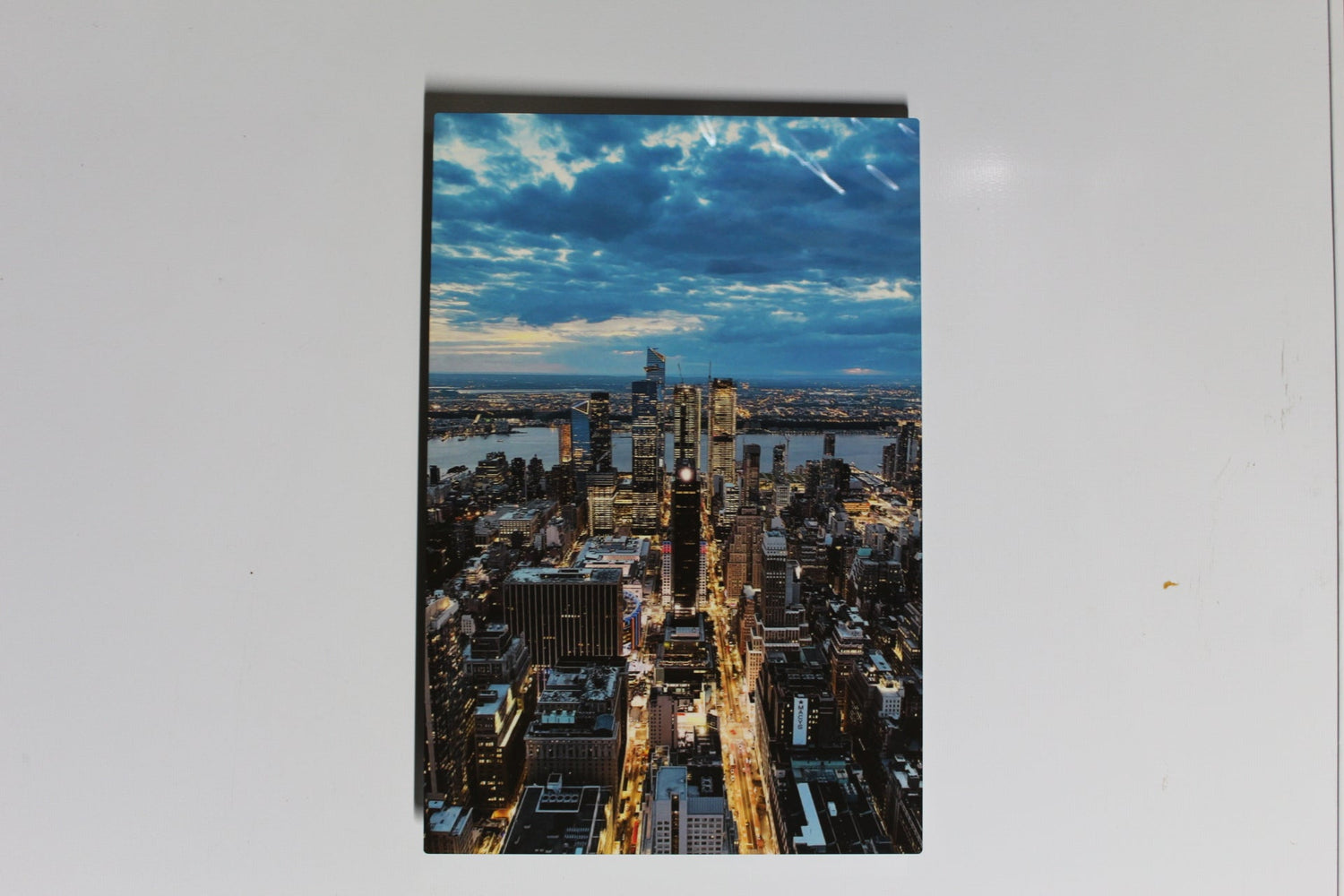
Metal prints (also called aluminum prints) are modern photographic prints where images are transferred onto specially coated aluminum panels.
Unlike traditional paper or canvas prints, metal prints produce a high-definition, frameless, modern display surfacewith exceptional durability.
Key characteristics:
-
Ultra-vibrant color reproduction
-
Fade-resistant and scratch-resistant surface
-
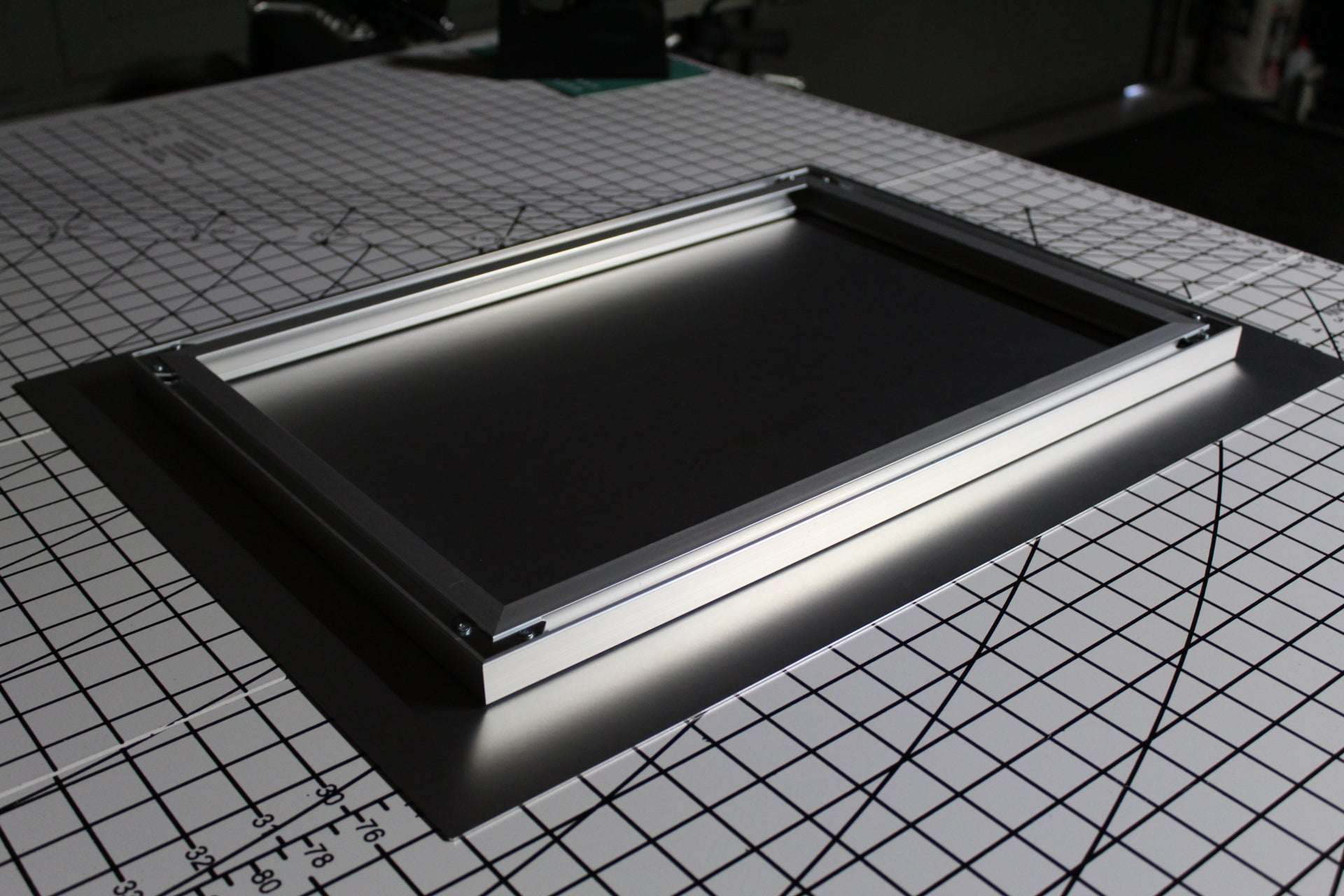
Lightweight aluminum structure
-
Sleek, modern, gallery-style appearance
-
Long-lasting visual performance
⚙️ How Metal Prints Are Made
The most advanced method used today is dye-sublimation printing.
Dye-Sublimation Process
-
Image is printed onto transfer paper
-
Paper is aligned with coated aluminum sheet
-
Heat press applies ~400°F temperature and pressure
-
Ink turns into gas and permanently bonds with coating
-
Image becomes part of the metal surface
Result:
-
Permanent image infusion (not surface ink)
-
High-definition sharpness
-
Deep color saturation
-
Long-term resistance to fading and damage
🧪 Direct Printing vs Dye-Sublimation
Direct UV Printing (Lower Cost Option)
-
Ink printed directly onto metal
-
Faster and cheaper
-
Less vibrant color output
-
More prone to fading and scratches
Dye-Sublimation (Premium Standard)
-
Industry-leading quality method
-
Superior color depth and detail
-
Fade-resistant and scratch-resistant
-
Suitable for indoor and outdoor use
🌟 Advantages of Metal Prints
🎨 1. Superior Color Vibrancy
Metal surfaces enhance contrast, saturation, and depth, producing lifelike imagery.
🛡️ 2. Exceptional Durability
-
Scratch-resistant
-
Water-resistant
-
UV-resistant
-
Heat-resistant
🧼 3. Low Maintenance
Requires only simple cleaning with a microfiber cloth.

Leave a comment
All comments are moderated before being published.
This site is protected by hCaptcha and the hCaptcha Privacy Policy and Terms of Service apply.